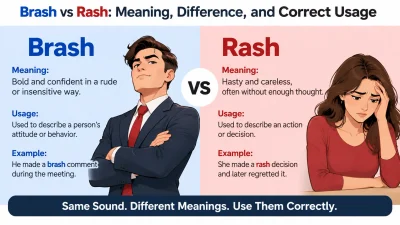

Testimony vs Testimonial look similar because both come from the idea of giving information or expressing support. However, they are used in different situations.
Testimony usually refers to a formal statement of facts, especially one given by a witness in court or during an official investigation. Testimonial usually refers to a statement of praise, approval, or personal experience, often used to recommend a product, service, person, or organization.
Understanding the difference helps you choose the right word in legal, professional, and everyday communication.
Quick Answer
Testimony means a formal statement or evidence given by a witness, especially in a court or official setting. Testimonial means a personal recommendation or positive statement that supports a person, product, service, or organization. Testimony focuses on facts and evidence, while testimonial focuses on opinions and praise.
Testimony Meaning
Testimony is a statement made by someone who provides information about something they know, saw, experienced, or believe. The word is most commonly used in legal settings.
In a courtroom, a witness gives testimony by answering questions under oath. Their statement may help judges and juries understand what happened.
Examples of Testimony
- The witness gave testimony about the accident.
- Her testimony helped the jury understand the case.
- The court listened carefully to his testimony.
Besides law, testimony can also describe a personal statement about an experience or belief.
Example:
- His recovery was a testimony to the power of determination.
In this broader use, testimony means evidence or proof that shows something is true.
Testimonial Meaning
A testimonial is a written or spoken statement that recommends or praises someone or something.
Businesses often use testimonials from customers to show that people had positive experiences with their products or services.
Examples of Testimonials
- The website featured customer testimonials.
- She gave a testimonial about the coaching program.
- The company shared testimonials from satisfied clients.
Testimonials are common in:
- Marketing
- Websites
- Social media
- Reviews
- Award ceremonies
- Professional recommendations
Unlike testimony, a testimonial is usually based on personal opinion rather than official evidence.
Testimony vs Testimonial: Key Differences
| Feature | Testimony | Testimonial |
|---|---|---|
| Main meaning | Formal statement or evidence | Personal recommendation or praise |
| Common setting | Courtrooms, investigations, official hearings | Marketing, reviews, promotions |
| Focus | Facts and information | Experience and opinion |
| Speaker | Witness or person giving evidence | Customer, supporter, or admirer |
| Tone | Formal and serious | Positive and persuasive |
When to Use Testimony
Use testimony when someone is providing facts, evidence, or an official statement.
Common situations include:
- Court cases
- Police investigations
- Government hearings
- Historical accounts
- Personal evidence
Correct Examples
✔ The witness provided testimony during the trial.
✔ Her testimony revealed important details about the event.
Incorrect Example
✘ The company added customer testimony on its homepage.
Better: The company added customer testimonials on its homepage.
When to Use Testimonial
Use testimonial when someone shares a positive opinion or recommendation.
Common situations include:
- Customer reviews
- Business websites
- Product promotions
- Personal recommendations
- Appreciation messages
Correct Examples
✔ The restaurant displayed customer testimonials online.
✔ His testimonial helped others trust the service.
Incorrect Example
✘ The witness gave a testimonial in court.
Better: The witness gave testimony in court.
Testimony vs Testimonial in Business
Businesses often confuse these words because both involve people sharing experiences.
A customer review is usually a testimonial because it promotes trust and describes satisfaction.
Example:
“This software saved our team hours every week.”
This is a testimonial because it recommends a product.
A legal statement about a business investigation would be testimony.
Example:
“I saw the company manager approve the transaction.”
This is testimony because it provides factual information.
Testimony vs Testimonial in Religion and Personal Beliefs
Both words can appear in religious or personal discussions, but they have slightly different uses.
Testimony often refers to someone sharing their personal experience or belief.
Example:
- She shared her testimony about how faith changed her life.
Testimonial is less common in this context and usually refers to praise or recommendation.
Example:
- The church published testimonials from community members.
Common Mistakes Between Testimony and Testimonial
Mistake 1: Using testimonial for legal evidence
Incorrect:
The witness gave a testimonial in court.
Correct:
The witness gave testimony in court.
A court witness provides evidence, not a recommendation.
Mistake 2: Using testimony for customer reviews
Incorrect:
The company collected customer testimonies for its website.
Correct:
The company collected customer testimonials for its website.
Customer statements usually promote trust, so testimonial is the better choice.
Are Testimony and Testimonial Related?
Yes. Both words come from the same Latin root connected with witnessing and providing evidence.
However, modern English separates their meanings:
- Testimony = a statement that provides evidence
- Testimonial = a statement that provides praise or support
The connection remains, but the situations where they are used are different.
Synonyms for Testimony
Depending on context, synonyms include:
- Evidence
- Statement
- Account
- Declaration
- Witness statement
- Proof
Example:
“Her testimony was important.”
Similar:
“Her statement was important.”
Synonyms for Testimonial
Depending on context, synonyms include:
- Recommendation
- Review
- Endorsement
- Reference
- Praise
- Appreciation
Example:
“The customer testimonial increased trust.”
Similar:
“The customer recommendation increased trust.”
Frequently Asked Questions
Is testimony the same as testimonial?
No. Testimony usually means formal evidence or a witness statement, while testimonial means a recommendation or positive personal statement.
Can testimony be used outside of court?
Yes. Testimony can also describe personal evidence, experiences, or beliefs, not only courtroom statements.
Is a customer review a testimony or testimonial?
A customer review is usually a testimonial because it shares an opinion or experience about a product or service.
What is an example of testimony?
A witness saying what they saw during an accident in court is an example of testimony.
What is an example of a testimonial?
A customer saying, “This service helped me save time and money,” is an example of a testimonial.
Conclusion
Testimony and testimonial share a similar origin, but their modern meanings are different. Use testimony for formal statements, evidence, and witness accounts. Use testimonial for recommendations, reviews, and expressions of support.
Remember the simple difference: